From tent town to Grand Avenue
How a settlement scheme became a business community.
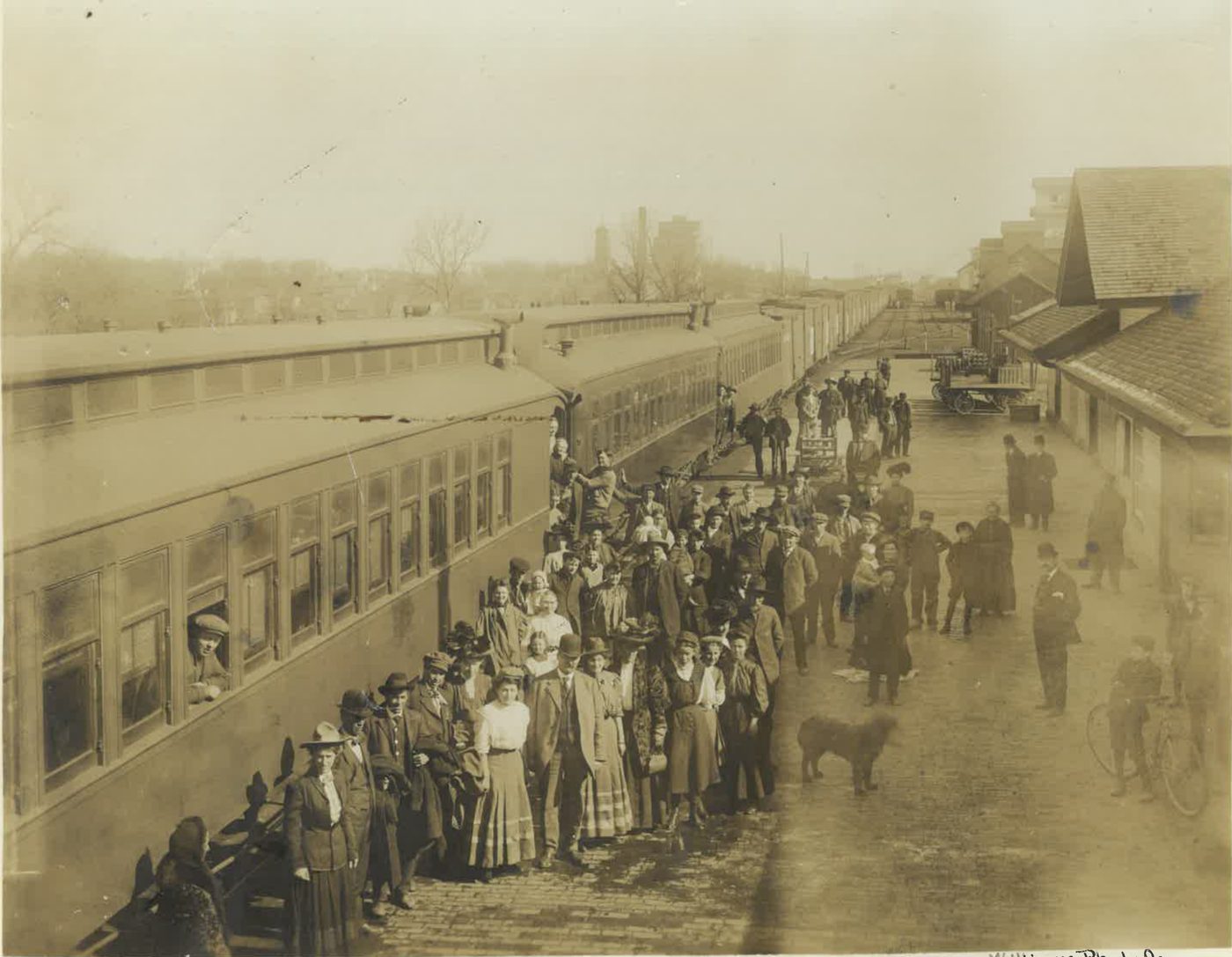
The Luse Land Special at Crookston, Minnesota
Luseland began as a sales pitch.
Man is made from dust
Dust settles
Be a man
Settle in SaskatchewanThe Last West, the Luse Land Company's monthly magazine
The Luse Land and Development Company of St. Paul, Minnesota, sold the Canadian west through its own magazine. In January 1908 it closed a deal for 100,000 acres here, along with an agreement to settle a colony of German Lutherans.
Ottawa refused to hold the homesteads for them. They came anyway.
Neighbours before they arrived
Settlers' goods were gathered in St. Paul and sent north by the trainload, and people bound for the same district travelled together. By the time they arrived, they already knew their neighbours. They came from Minnesota and Nebraska, and soon from Britain, Russia, Poland, Scandinavia and beyond. Many spoke little English, and one early lumber ad promised, “We Talk German.”
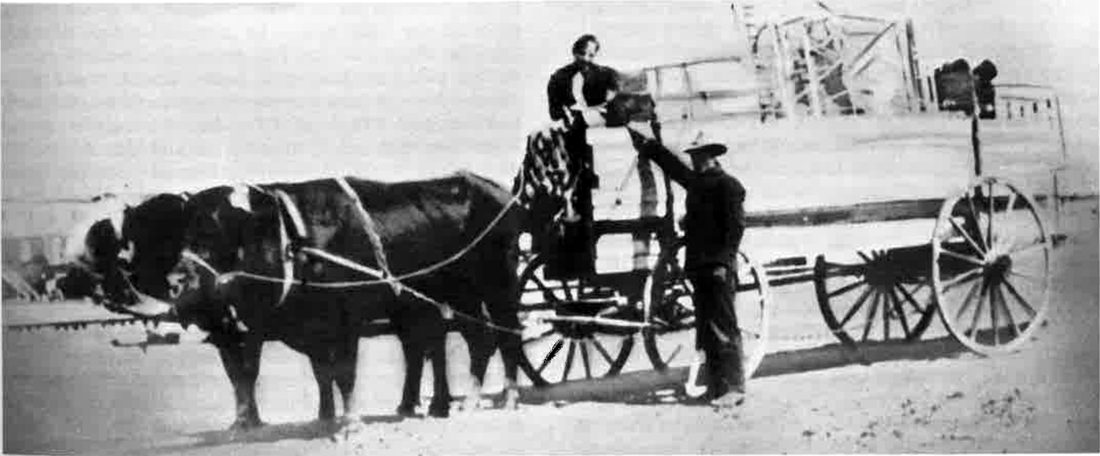
The railway had not yet reached the townsite, so families set out from Scott by wagon. A good day's travel with oxen was 12 to 15 miles.
A town in a hurry
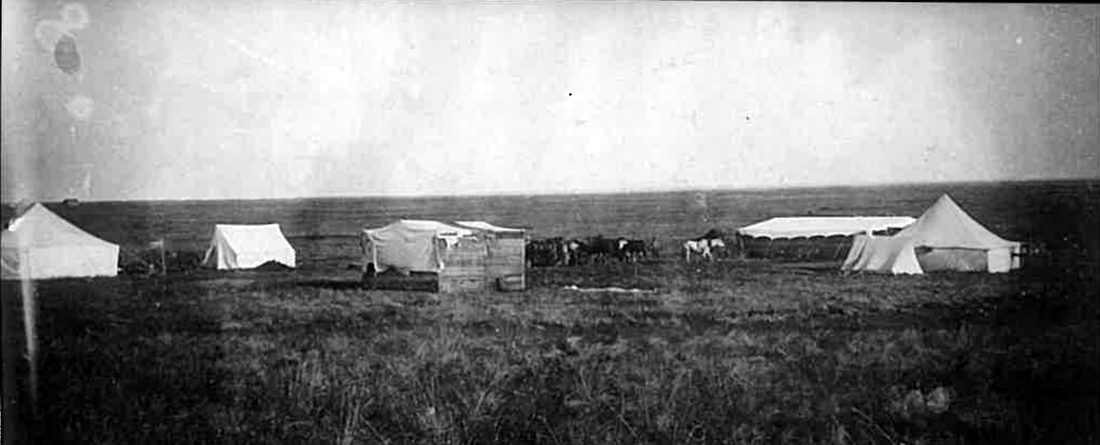
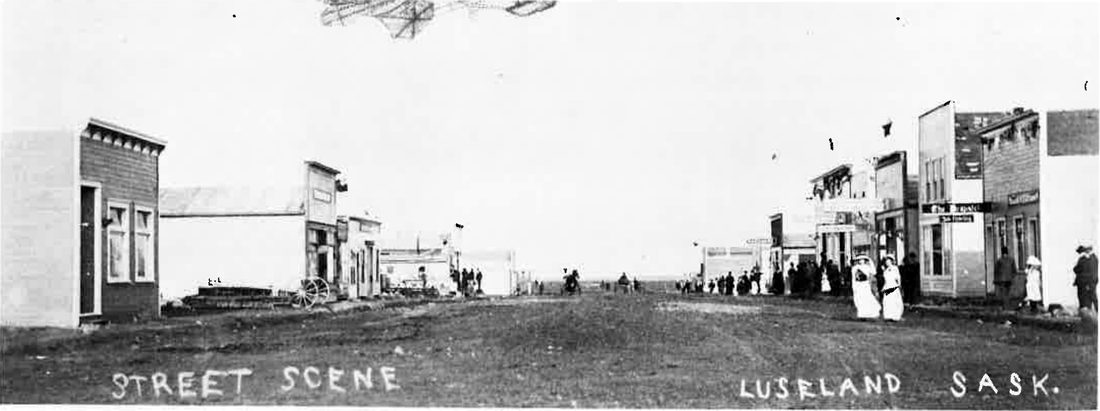
Stores opened before the town existed. Warren, Watson and Howard traded from a tent and a shack two miles east, then moved when the railway came in 1910. That year Luseland was a line of tents on open grass, and a village by its end.
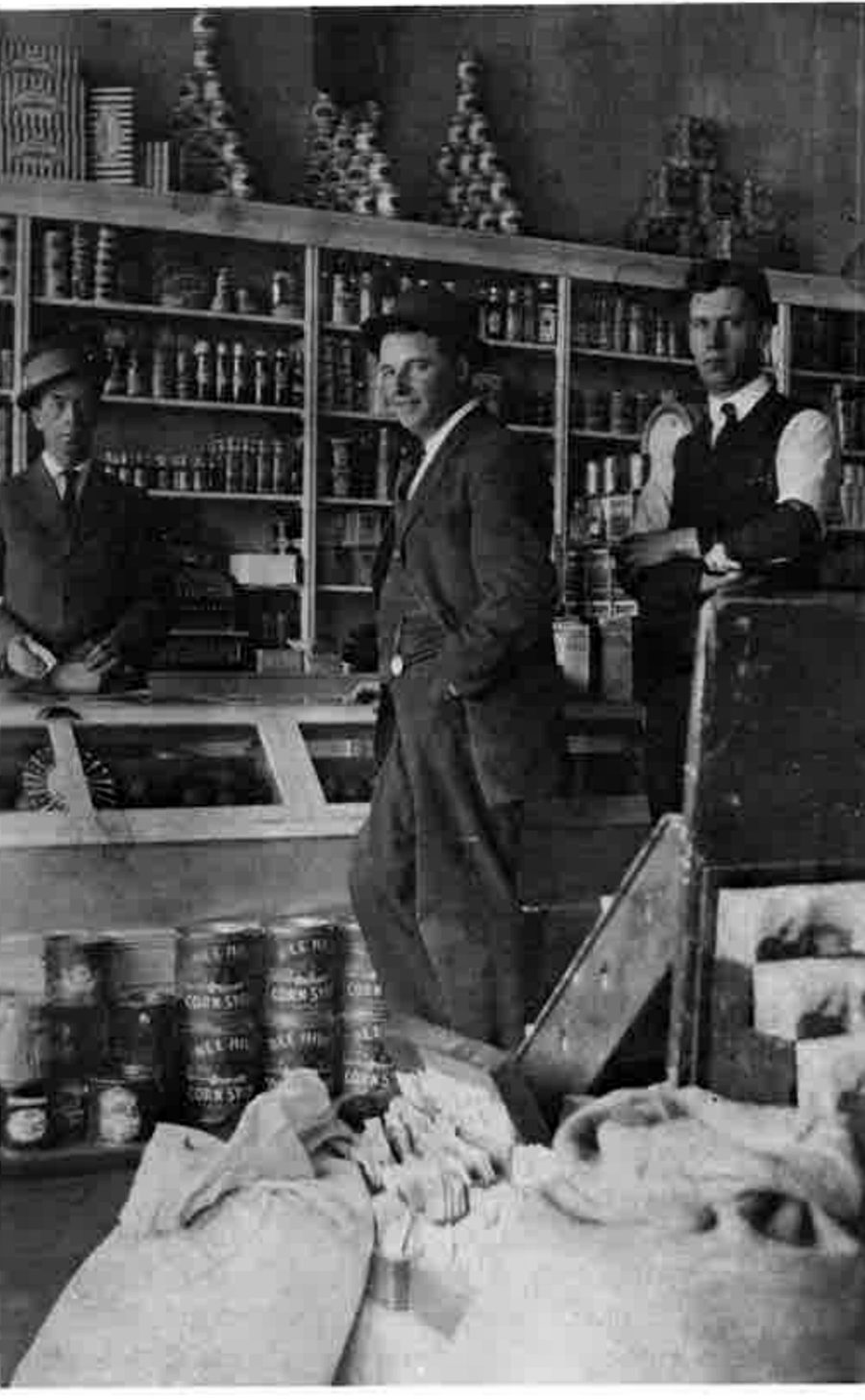
The Union Bank opened on July 2, 1910. Its first manager, Tom Honeywell, arrived with the opening documents in a trunk and, with no hotel in town, slept on it. An early promotion listed some 36 businesses, though the local historians who later went through the ads and tax notices noticed that many shared a roof.
George Woo opened a laundry on Pacific Avenue in 1910, and Tom and Ching Lee ran a cafe nearby. Pacific was meant to be the main street, but when lot prices climbed, merchants moved one block north. That is why Grand Avenue is Grand Avenue.
Doing it together
In 1915 a group in the Grass Lake district formed a co-operative to buy supplies at cost. Its five charter members bought nine shares for $450. In 1916 it brought in its first carload of apples, 200 boxes from British Columbia. That group became the Luseland Co-op, today part of Delta Co-op.
Martin Heuermann built the Social Community Hall in 1920. After the Second World War the Board of Trade led the building of an indoor rink, largely with volunteer labour. A credit union chartered in 1948 failed in 1955, and the town tried again. The present Luseland Credit Union received its charter in 1963.
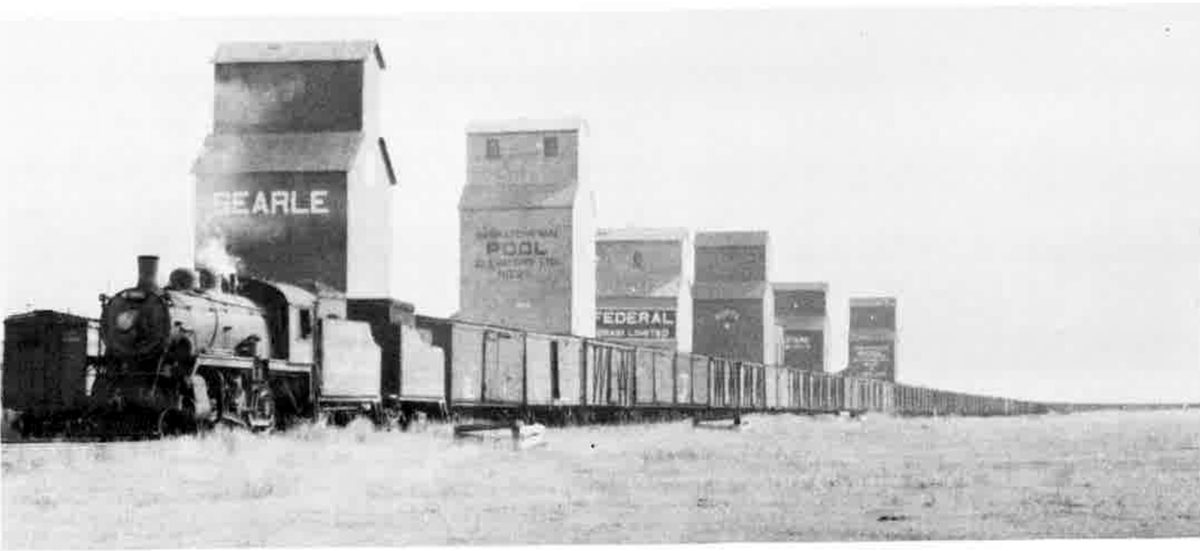
By 1954 Luseland was a town, with six grain elevators and a thriving business section.
Rebuilt on the same site
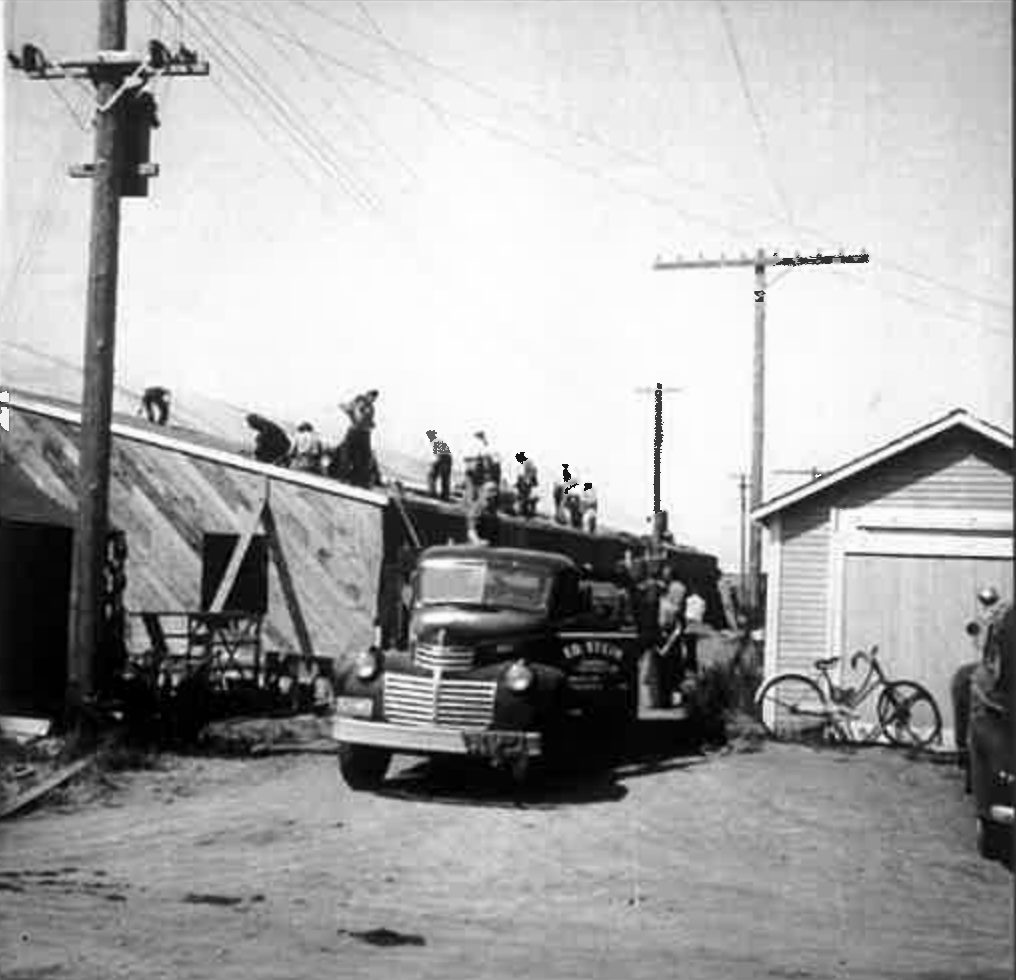
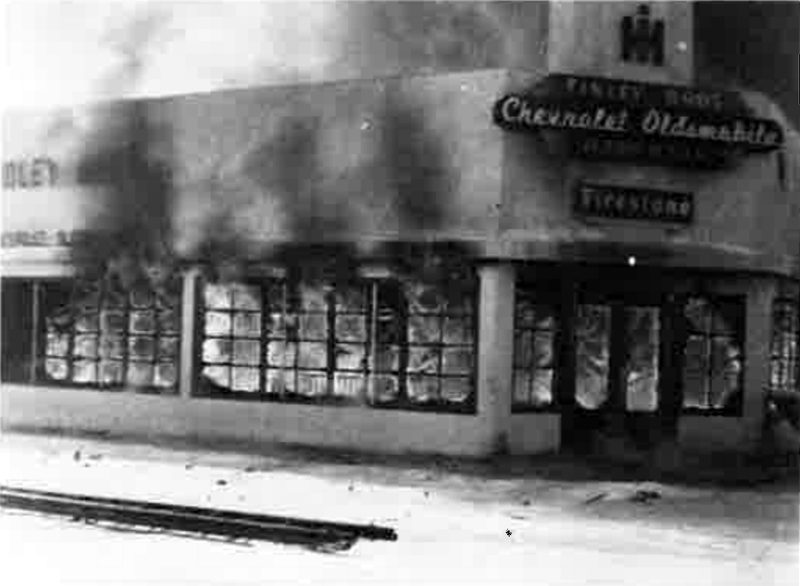
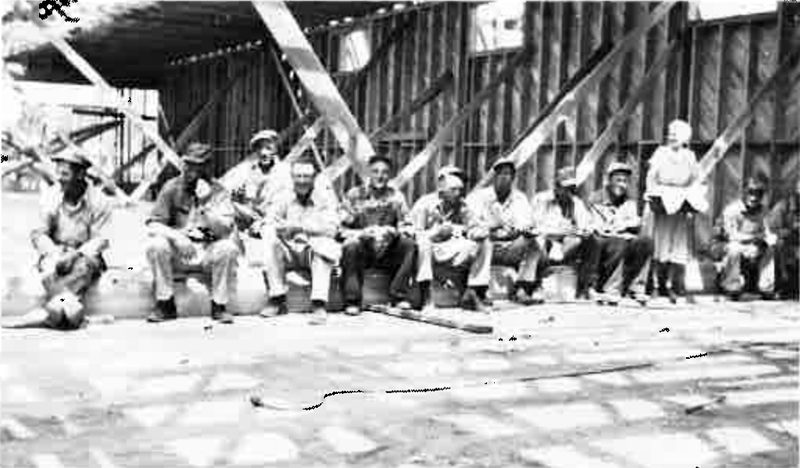
Fire is part of this story too. When the Finley Bros. store burned in March 1958, neighbours gave their time to rebuild it on the same site, and Mrs. J.V. Finley brought them lunch. When fire took part of Main Street in the early 1980s, a new MiniMall filled the gap.
Those storefronts have changed hands many times since. The habit they started has not: people here decide what the town needs, then go and build it together.
The Luseland & District Chamber of Commerce is not the Board of Trade's direct successor, but it carries on that tradition.
Source: Luseland Hub & Spokes, volumes 1 and 2, written by the Luseland Hub and Spokes Committee, 1983, and the Luseland and District 1910–2010 souvenir calendar. Photographs come from those pages and from early prints.